
Key Takeaways
- According to EMGI Group’s 2026 SaaS Citation Gap Report, 81% of brand mentions in the top third of ChatGPT, answers went to brands that were not in Google’s top 10.
- The space between where you appear on Google and where AI engines actually refer to you is easy to see, and it rarely ever aligns.
- Frequent AI reference monitoring teaches the game of finding out using a well-known checklist, step by step.
Introduction
Consider the last time you were seeking a rapid response. You likely skimmed past the 10 blue links and simply input your question into ChatGPT or Gemini and clicked on the results. The same is being done by your customers. Not to mention, if the AI doesn’t ever say your brand in the answers, you lose sales and you never even realize it!
The absence of that space where AI engines will not cite you is known as a citation gap. One of the largest gaps in AI search today – often brands are unaware they have one!
By the end of this guide, you’ll discover where your citations are lacking, why it’s happening, and how to tackle it step-by-step and see your brand in the places where folks are looking for answers.
What Is a Citation Gap in AI Search?
A citation gap is the difference between a brand’s visibility in traditional search results and its visibility in AI-generated answers. There are two scoreboards, and they’re operated by two different rules: Google ranking and AI citation.
This is important because they feel as if the AI answer is the same as the search results page, if not superior to it. It’s not a small miss if a citation goes missing. It’s a missed sale.
What is Citation Gap?
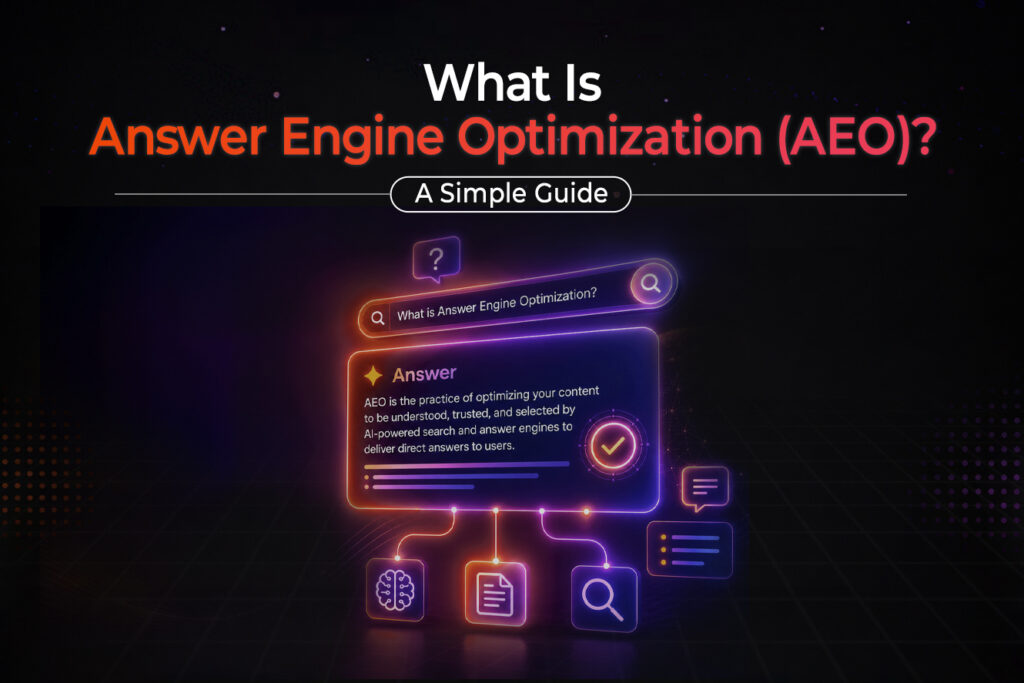
The Citation gap is the difference between the ranking of your brand on Google and the number of times AI engines such as Chat GPT and Gemini mention your brand. Simply put, you could be found through Google, but may not be discoverable in answers generated by AI here lies the gap in your citations.
Why Citation Gaps Happen
AI models don’t work like Google’s crawlers. They aren’t simply choosing the page with a higher rank; they’re trusting the facts that appear on numerous websites all over the internet. So, when the same information is backed up by multiple sources, an AI is much more likely to use that information.
This is because two brands can have the same mouth to mouth, and only one is called out on screen. The more you have a strong reputation elsewhere, or mentions in better reviews, in the press, through comparison sites, and from other people you know and trust, the more likely the AI is to reference you. AI is more likely to select your brand the more credible the places are.
How to Actually Analyze Your Citation Gap
Start With a Side-by-Side Comparison
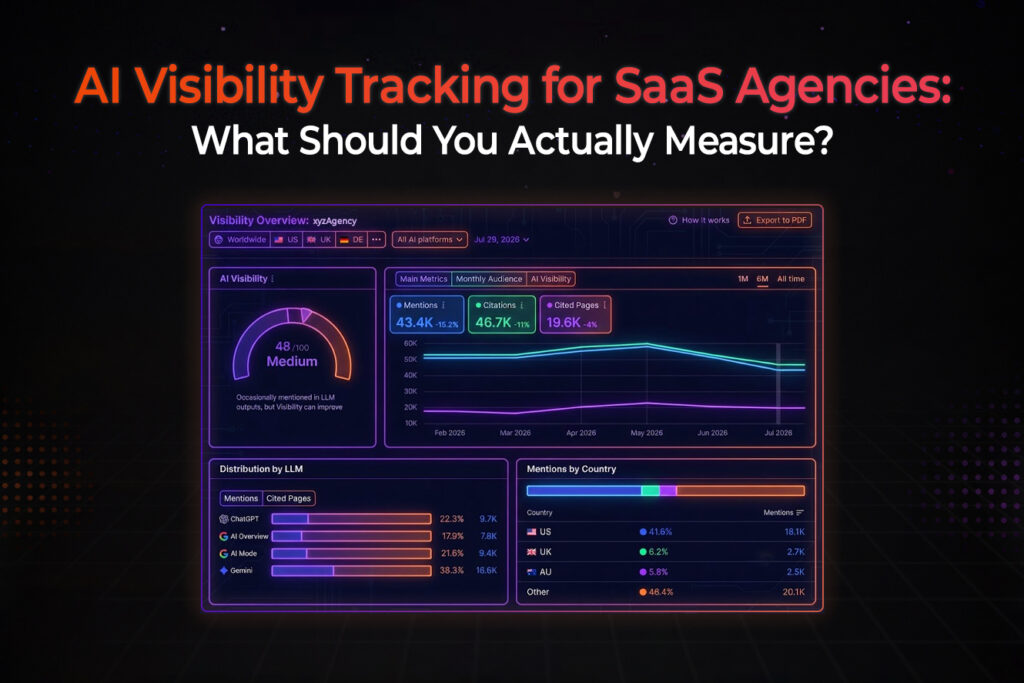
Manually checking prompt after prompting a handful of keywords does not scale. Instead, use a tool such as MentionPilot to get a list of brands that are being mentioned in AI-powered answers for a set of given queries. Compare the brands appearing in AI-generated answers with your traditional search visibility to identify where the two differ.
When you run your queries in these different search engines, you will most likely find that there is a clear pattern to the findings and that they will highlight your citation gap.
Use an AI Brand Visibility Checker Instead of Guessing
Instead of spending hours after hours checking for brand visibility in AI chats and answering prompts, you can use an AI brand visibility checker to get an instant overview of your brand visibility in AI chats. It automatically checks your target prompts and logs to all places where your brand is mentioned and where it’s not.
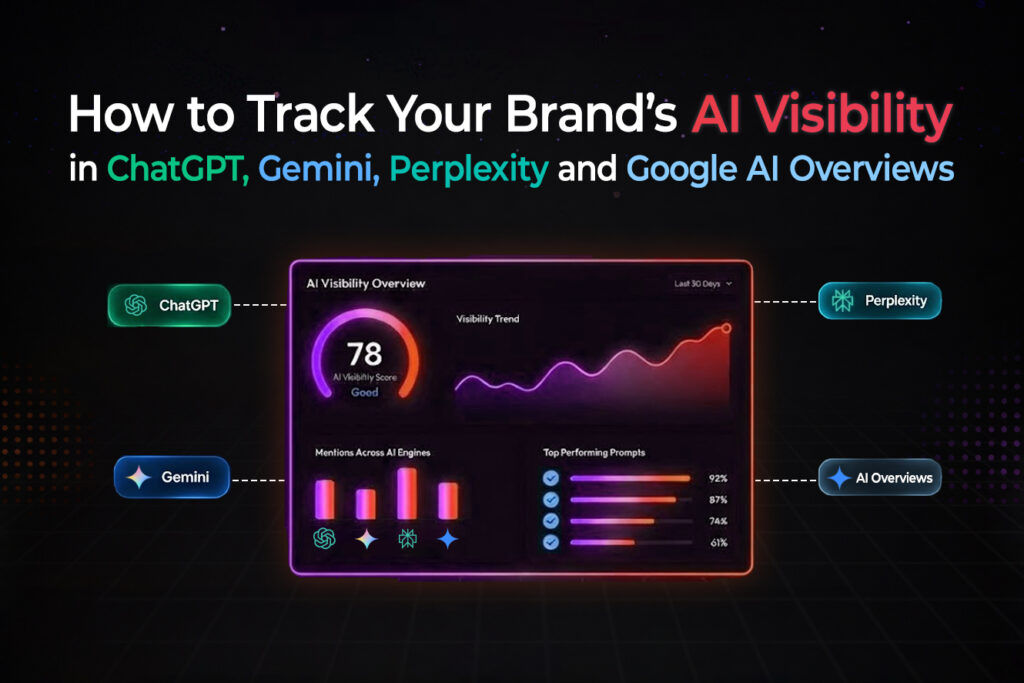
For free, you can use a free AI Brand Visibility Checker like MentionPilot’s (which also tracks brand visibility in Google AI Overviews, ChatGPT, Gemini, and Perplexity). That instant visibility will tell you whether your citation gap has just opened even wider or has even started to close.
Want to see your actual citation gap in the next few minutes?
Run Your Free Visibility Check →
Break the Gap Down by Category
Your business is made up of many categories, and when looking at your citation gap it’s better to look at your business by category (or topic cluster) rather than by individual keyword. In doing so, you will likely find that there are some categories that are going to have larger gaps than others. For example, I’ve noticed that SaaS companies get cited well for “pricing” type of queries but then disappear entirely for “alternatives to” type of queries.
Determine your biggest gaps first. Most of these will be categories where your competitors are constantly listed while you are not. Then, write and modify individual pages to include direct answers to typical queries followed by more in-depth details to support the mentioned answers. Make sure to include real numbers, named sources, and firsthand examples on each of the pages that you modify.
Set Up Ongoing AI Citation Tracking
A one-time audit of your current citation on AI platforms can be very important However, AI citation tracking on an ongoing basis is where the real value is. This allows you to track whether your fixes are actually working and identify problems on an ongoing basis.
Track the changes in your AI citations for the top 20 to 30 prompts that you use for your AI conversations. Every two weeks, check for new brands and also for brands that have disappeared from the answers provided by the AI in your AI conversations.
Closing the Gap Once You’ve Found It
Now that you know where the gap is, you can start to fix it. One of the easiest ways to start closing the citation gap is to write a simple page for each of the wide gaps that you identified. Write the first sentence of each of the headings on the page to answer the question directly.
Then provide more details on the topic. Make sure to include real numbers, names of sources, and examples of how you or others have used the information to achieve something. Getting other sites, forums, and comparison pages to mention your brand is also important. These will all corroborate your brand name on your own site.
Common Mistakes When Closing a Citation Gap
Please note that the various search engines that make up the AI “search engines” retrieve and index information in batches on their own timelines. Therefore, the updates on your visibility in the various AI platforms will not always occur immediately. In many cases, not even within a couple of weeks after you have rewritten and published corresponding content on your website.
Therefore, you must leave enough time between a round of content fixes and a check on your AI-based citations. In the meantime, you continue to monitor your Google rankings as before, and you keep revising and fine-tuning your content, based on the AI citations that you have discovered. You then check again after a while to see whether any corresponding updates have taken place.
The Bottom Line
Closing a citation gap starts with knowing that a citation gap exists. Because most brands never check to see if they have been mentioned in AI engines, closing a citation gap is a process that requires comparison of Google rankings with what is contained in the answers of AI search engines.
Want to know how big a citation gaps your brand has?
Get a free AI Visibility Report →